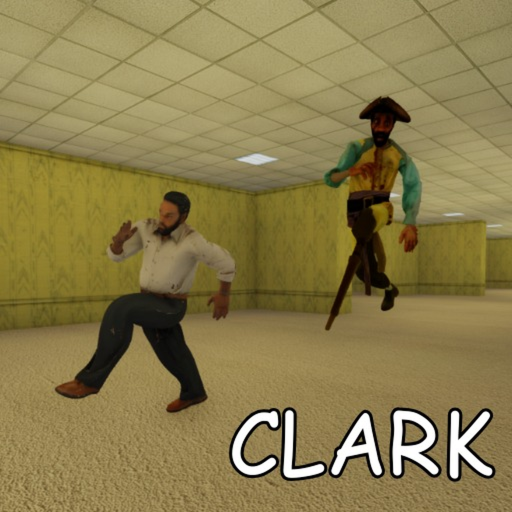
Multiplayer and Squad Play
Coordinate before the first door, communicate under pressure, and survive Clark Huss rooms as a team.
Clark Huss rooms supports squad play, but mothem_XD’s GMOD Rooms-inspired run lock means multiplayer here is not drop-in co-op. Once the first door opens on 16 July 2026-era early access builds — now past 1.1 million visits — your roster is fixed. Friends who queue late start a separate instance. This guide explains how to build a squad, communicate under entity pressure, and avoid the teamwork mistakes that kill groups faster than Clark alone.
Read how to play for run-lock fundamentals and first-run for lobby timing. This page assumes you understand why door discipline matters before anyone commits.
Lobby roster planning
Multiplayer success begins before the first door:
- Confirm headcount — everyone who should be in the run is in the lobby instance.
- Pick a door caller — one player opens the first progression door on agreed countdown.
- Assign soft roles — lead navigator, rear audio listener, battery relay. Roles can swap; undefined roles cannot.
- Test voice or text — verify comms work before lock, not during the first chase.
If a friend is still downloading the experience or stuck in another Roblox game, wait. Run lock is unforgiving. Our guides hub links every solo skill you should still practice individually.
Run lock implications for groups
Run lock creates fairness — no mid-run reinforcements — but also accountability. Squads cannot blame randoms joining late and resetting pacing. Every wipe traces to decisions inside your roster.
Key implications:
- No rescue queue — locked-out friends must start fresh; they cannot enter your halls.
- Shared pacing — one impatient door opener starts the clock for everyone.
- Unified difficulty — entity pressure scales with group behaviour; more players can mean more noise if comms are chaotic.
Treat the lobby like a raid ready-check in other games. Ready means controls tested, audio working, and intent aligned.
Callout format that works under fear
Panic voice chat kills teams. Use short, structured callouts:
- Direction — “pressure left” or “clear right.”
- State — “battery low” or “stamina burned.”
- Intent — “holding junction” or “looping back.”
Avoid long stories during chases. If you need nuance, speak during calm segments between pressure waves.
Link callouts to survive Clark routing: teammates who know your retreat path can draw pressure or tap flashlight for you at the right moment.
Squad roles in practice
Roles are flexible, but undefined squads default to everyone sprinting and screaming.
Lead navigator
- Takes point with tap lighting per flashlight batteries.
- Calls left/right at major junctions.
- Never sprint-blind into T-junctions without rear confirmation.
Rear listener
- Walks last, headphones prioritized.
- Reports audio pressure before visual contact.
- First to call “stop” when footsteps are not squad-synced.
Battery relay
- Monitors personal battery UI and announces thresholds early.
- Swaps to lead light when primary navigator hits yellow.
- Prevents the group entering deep wings with zero collective light budget.
One person can hold two roles in trios; duos must alternate consciously.
Coordinated Clark encounters
Clark punishes uncoordinated noise. Squad strategies:
- Do not stack on the same corner — multiple players peeking one angle multiply light and audio tells.
- Pre-agree loop paths — if pressure hits, everyone knows default rotation direction.
- Designate bait only on purpose — random volunteers who sprint away without a plan fragment the team.
- Regroup before exploring new wings — headcount checks prevent silent off-screen wipes.
Detailed entity routing remains in survive Clark and beat entities. Multiplayer adds information routing on top of solo skill.
When solo practice still matters
Groups can mask weak fundamentals. If you only play multiplayer, you may not notice bad battery habits or lazy audio stops.
Recommendation:
- One solo run weekly for first-run-style discipline.
- Squad sessions for comms refinement.
- Review updates together before long attempts so patch changes do not surprise half the group.
Social rules and community expectations
Clark Huss rooms early access has no verified public codes yet; do not let code-hunt distractions split your lobby focus. Use the official Roblox experience page from our site header and ignore unverified Discord invites promising exploits — see scripts risks if curious, but prioritize fair squad play.
Respect Roblox community standards: harassment, slurs, and intentional griefing (like opening the first door to trap unprepared friends) ruin runs and violate platform norms.
Voice chat in July 2026 Roblox
Roblox sunset Connect calling APIs on 15 July 2026, pushing private voice toward Party Voice with trusted friends. Husrooms squads should not rely on in-experience phonebook flows that no longer work platform-wide. Before run lock:
- Confirm your group uses Party Voice, external voice apps, or disciplined text callouts.
- Test audio once in lobby — not during the first Clark pressure spike.
- Keep chase callouts short; long stories help entities more than teammates.
This platform shift matters during the viral traffic week when many newcomers assume broken voice UI is a Husrooms bug.
Scaling from duo to full squad
Duos require constant role swapping — both players must read audio and manage light. Larger squads add redundancy but increase noise unless someone enforces quiet segments.
| Group size | Strength | Weakness |
|---|---|---|
| Solo | Stealth, pacing control | No callouts, higher isolation stress |
| Duo | Tight comms, fast role swap | No rear guard while both peek |
| Trio+ | Dedicated listener roles | Noise stacking if uncoordinated |
Adjust door timing so the full intended roster is present — not “most of us.”
After a squad wipe
Debrief briefly:
- Did we open the first door too early?
- Who burned battery first?
- Did callouts stop during Clark pressure?
Requeue together only after agreeing fixes. Repeated identical wipes without adjustment waste everyone’s time.
Multiplayer in Clark Huss rooms is cooperative horror, not a race to solo glory. Plan in the lobby, speak in short truths during pressure, and route like a team when the yellow halls close in.
Frequently Asked Questions
Quick answers to the most common questions.
Can friends join after the first door opens?
No. Run lock prevents late joins. Everyone must be in the lobby instance before the first progression door opens.
How many players should be in a squad?
Any group size works, but duos and trios balance comms clarity with role coverage. Larger groups need stricter noise and light discipline.
Is voice chat required?
Not required, but highly recommended for directional callouts during Clark pressure. Text chat is too slow for most chases.
Should one player always lead?
One navigator should call junctions, but roles like rear listener and battery relay should rotate as battery and stamina change.
Does multiplayer make Clark easier?
It can, if comms are disciplined. Chaotic squads create extra noise and light tells that make Clark encounters harder than solo.
What if a squad member opens the door early?
The run locks immediately. Prevent this with a designated door caller and ready-check in the lobby before committing.