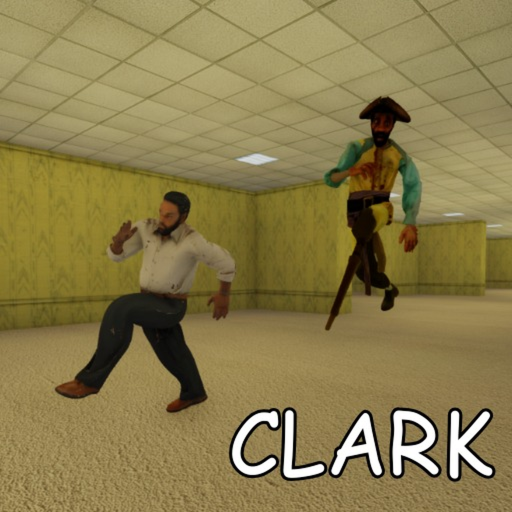
How to Survive Clark
Learn the tells, escape routes, and calm movement that keep you alive when the signature entity closes in.
Clark is the defining threat of Clark Huss rooms — the Roblox early-access horror experience by mothem_XD that passed 1.1 million visits after launching 16 July 2026. Community clips on TikTok and YouTube often reference Captain Clark-style horror, but in-game Clark behaves like a patient stalker in GMOD Rooms-inspired yellow halls: he listens, closes distance, and removes runners who treat panic sprint as a universal answer.
This guide focuses exclusively on surviving Clark. For broader entity counter-play, read how to beat entities. For battery and light discipline during chases, pair this page with the flashlight guide.
What Clark punishes
Clark is not fair in the way tutorial enemies are fair. He rewards players who understand pressure:
- Noise from sprinting, bumping geometry, or shouting in open halls.
- Light that advertises position around blind corners and long sightlines.
- Commitment to dead-end paths with no retreat line.
- Separation from teammates when squad callouts could redirect pressure.
He does not require you to memorize a hotel floor map. Instead, you memorize behaviour: when to freeze, when to cut light, when to walk, and when — rarely — to sprint with a known exit.
Audio tells before visual contact
Most Clark wipes happen because players react only after seeing the model. Train your ears first:
- Ambient shifts that suggest something entered your audio bubble.
- Footstep patterns that are not yours or your teammates’.
- Subtle directional cues that imply closing distance from behind or adjacent corridors.
On your first sessions, prioritize listening drills in safer hall segments. Stop moving for two seconds at each junction. If audio changes, assume pressure exists even when the camera shows nothing.
Headphones are strongly recommended. TV speakers and laptop mono audio hide directional cues that mean life or death.
Line-of-sight and light discipline
Clark encounters often start as information problems. You need to know where he is without revealing where you are.
Rules of thumb:
- Peek with short flashlight taps instead of flooding a hall continuously.
- Break line-of-sight early — corners, door frames, and offset paths beat staring contests.
- Never re-open light on the same corner you just rounded; reroute first.
- Pre-plan retreat loops before you explore forward; if every path is one-way in your mind, you will trap yourself.
The first-run guide introduces basic light habits; this section is where they become non-negotiable under chase pressure.
Escape routing under pressure
When Clark commits to a chase, your goal is not infinite distance — it is structured distance toward geometry that breaks pursuit. Read the dedicated sprint and stamina guide for burst-sprint discipline, platform bindings, and stamina bar habits.
Walk the loop mentally
Before sprinting, ask:
- Do I know what is ahead, or am I gambling?
- Is there a side door or junction within three seconds?
- Will sprint noise attract secondary pressure in multiplayer instances?
If answers are unclear, controlled retreat beats blind forward sprint almost every time.
Squad behaviour
In groups, one player drawing pressure while others reposition can save a run — but unplanned splitting kills teams. Use the multiplayer guide callout format: direction, pressure source, battery state. Random screaming is worse than silence with structure.
Video: Clark chase and survival patterns
The following gameplay clip shows real chase pacing, corner breaking, and the difference between panic sprint and routed escape. Study player routing, not just jump scares.
After watching, run one practice session where your only goal is to break line-of-sight twice before sprinting long distances.
When to sprint — and when not to
Sprint is a resource. Clark encounters tempt you to hold it until stamina collapses, which creates the exact noise profile he punishes.
Sprint only when:
- You see a confirmed exit junction within reach.
- Teammates call a cleared path you trust.
- Staying still guarantees contact with no cover nearby.
Do not sprint when:
- You are exploring unknown T-junctions.
- Your flashlight battery is critical and you cannot afford disorientation.
- Audio suggests multiple pressure sources — rare in early access but possible as entities expand.
Surviving Clark across patches
Early access means behaviour tuning. mothem_XD’s July 2026 updates adjusted pacing and community-reported chase frequency. Always skim the updates hub before long sessions. Mechanics described here reflect current community consensus, not guaranteed permanence.
Our tier list ranks Clark among top threats for good reason: even when future entities arrive, Clark remains the benchmark skill check for Husrooms runners.
Practice routine for consistent survival
- One solo run focusing only on audio stops at junctions.
- One squad run with minimal voice — callouts only.
- One run applying flashlight battery rules during intentional Clark pressure.
- Review how to play if run-lock or lobby timing still causes preventable wipes before Clark even appears.
Clark does not require perfect aim or frame-perfect inputs. He requires calm routing under fear. Master that, and the yellow halls become a puzzle you can lose gracefully — or survive far longer than your first TikTok clip suggested possible.
Frequently Asked Questions
Quick answers to the most common questions.
Can I outrun Clark forever?
No. Infinite sprint is not reliable. Break line-of-sight, manage noise, and route toward junctions instead of treating speed as the only answer.
Should I hide or run when Clark appears?
Context-dependent. If you have cover and can cut light without trapping yourself, breaking contact beats raw running. Open halls with no junction favor routed retreat.
Does flashlight attract Clark?
Light reveals your position and makes corner peeks dangerous. Short taps beat holding the beam during suspected pressure.
Is Clark the only entity I need to learn?
He is the primary early-access threat, but read the beat entities guide for broader counter-play as the roster grows.
Why do I die instantly in some Clark chases?
Usually corner commitment, zero retreat planning, or sprint into dead ends. Review chase clips for routing mistakes rather than spawn RNG.
Does Clark behave differently in multiplayer?
Pressure can shift between players based on noise and position. Squads need callouts and role discipline covered in our multiplayer guide.