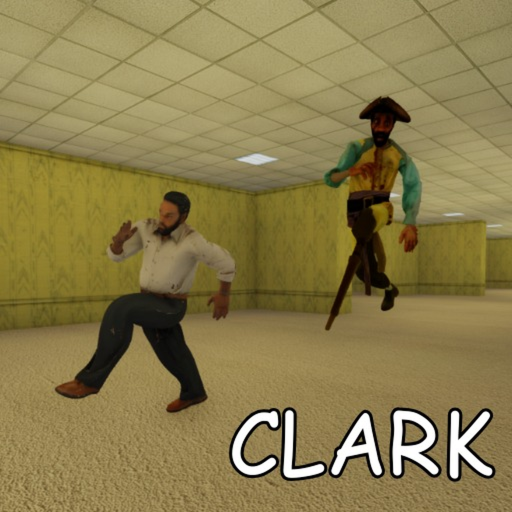
Entity Tier List — Clark Huss rooms
Ranked entity threat tiers for Clark Huss rooms early access — Clark S-tier, supporting hazards, and learning priorities on Roblox.
Entities are the punctuation marks in Clark Huss rooms sentences — silence, flicker, footstep, scream. Early access rosters stay smaller than veteran Roblox horror titles, but pressure concentrates on a few threats that define whether your squad clears a run or becomes another TikTok jump scare. This entity tier list ranks hostile presences and environmental hazards by learning urgency and average lethality using sessions recorded after the July 2026 patch. Letters express relative priority, not fan favourites.
Tier criteria recap
We assign tiers using the framework from our tier list hub:
- S — define the meta; study before repeat runs.
- A — frequent killers or force major strategy shifts.
- B — dangerous when ignored, manageable with basics.
- C — situational; lower baseline spawn pressure early access.
- F — minimal direct threat today but worth noting for future patches.
Placements link to player profiles and guides where they exist. We omit unverified leak entities until they appear on the all entities roster.
S-tier: Clark
Clark sits alone in S-tier for early access Husrooms. Mothem_XD’s signature stalker anchors marketing, clip culture, and player nightmares alike. Clark punishes:
- Wasted flashlight battery during light discipline mistakes.
- Panic sprinting that telegraphs position down long yellow corridors.
- Squads that treat humming fluorescent safety as permission to sprint.
Clark’s patrol logic rewards players who listen before they look. Audio cues documented in the entity sound guide often precede visual contact by seconds that feel like hours. S-tier status means: if you only study one entity this week, study Clark on the dedicated profile page and the survive Clark guide.
S-tier does not mean “unbeatable.” It means runs pivot on Clark knowledge more than any other early access threat.
A-tier: High-priority unknowns and patch-sensitive hazards
A-tier holds entities or hazard classes that kill experienced players who get lazy — or that mothem_XD may buff soon based on update cadence.
Ambient stalkers (placeholder class)
Community reports describe secondary presences distinct from Clark’s silhouette — fleeting shadows at junctions, peripheral motion when batteries die. Verification continues across public lobbies. Until models are confirmed stable, we classify unlabelled stalkers as A-tier learning priorities: assume lethal until proven decorative.
Track additions on all entities; names may solidify after the next shutdown patch.
Door-lock pressure (mechanical hazard)
Not an entity, but behaves like one in tier discussions: once the first door opens, no rescue arrives. Squads treat lock-in like an S-tier timer, but mechanically it is an A-tier constraint — veterans respect it; newcomers ignore it until too late. Read first run guide alongside entity tiers.
B-tier: Map and resource traps
B-tier threats kill through negligence rather than sophisticated AI.
Layout disorientation
Procedural room layouts confuse squads into splitting or backtracking into Clark patrol paths. Disorientation is B-tier because map study reduces deaths sharply without executor tools.
Flashlight depletion states
Running dry converts harmless corridors into A-tier anxiety zones. Battery management alone drops this hazard to B-tier for prepared players following flashlight guides.
C-tier: Environmental mood hazards
C-tier covers elements that elevate tension but rarely end runs directly in early access:
- Distant audio loops that mimic entity cues until you learn filters in the sound guide.
- Visual fog or post-processing that limits sightlines without applying damage.
- Non-hostile ambient props mistaken for threats in first sessions.
New players may feel these are S-tier; tier lists reflect post-learning priority.
F-tier: Meme noise and unconfirmed leaks
F-tier is not an insult — it marks categories that should not distract study time:
- Captain Clark meme culture — influences nicknames and thumbnails more than spawn tables.
- Scrapped test models — datamine screenshots without live spawns stay off rankings until verified.
- Other games’ entities — DOORS or Backrooms copycats mislabeled in reposted clips.
If a threat moves from F to B overnight, mothem_XD likely shipped it quietly during a shutdown — check updates before forum panic.
Comparison table (early access snapshot)
| Tier | Entry | Why it matters |
|---|---|---|
| S | Clark | Defines runs; audio-visual mastery required |
| A | Unconfirmed stalkers, door-lock pressure | High lethality or strategic constraint |
| B | Layout traps, battery drain | Skill-checks navigation and resources |
| C | Ambient mood hazards | Teaches perception without always killing |
| F | Meme/leak noise | Ignore until verified |
Table summaries rotate after patches; read linked pages for nuance.
Platform notes
Mobile players may temporarily rank visual-dependent threats higher until adjusting sensitivity via mobile controls. Tier letters assume competent default PC bindings from the controls hub.
Patch watchlist
Mothem_XD’s early access launch promised iterative horror tuning. Watch for:
- New entities promoted from F-tier leaks to A-tier reality.
- Clark nerfs or buffs that shift him toward A-tier — unlikely while he remains mascot.
- Item introductions that interact with entities (sound lures, decoys) once economies ship.
Study order for new players
- Clark — profile + survive guide.
- Door-lock rules — first run.
- Map vocabulary — layouts.
- Audio filters — sound guide.
- General counters — beat entities.
Related pages
- Strategy tier list — squad doctrines that assume these entity priorities.
- Scripts hub — why ESP shortcuts undermine tier learning.
- Multiplayer guide — callout standards for A-tier and S-tier threats.
Entities evolve; Clark’s S-tier crown reflects early access reality, not forever balance. Revisit after every patch note — and let your ears upgrade tiers faster than any wallhack could.
Frequently Asked Questions
Quick answers to the most common questions.
Is Clark the only S-tier entity?
Yes for early access as of July 2026. Future entities may join or shift Clark's relative priority.
Why are unconfirmed stalkers A-tier?
We prioritise learning until behaviour is verified harmless. False negatives kill runs; false positives only cost study time.
Do environmental hazards belong on an entity list?
We include mechanical pressures like door-lock and battery drain because they kill like entities in practice.
How fast will this list change?
Potentially every shutdown patch. Cross-check updates before trusting old forum screenshots.
Where is the full entity roster?
See the all entities page for named profiles as they are confirmed.
Does tier rank mean spawn rate?
Not exactly. Tier reflects urgency and lethality, which often correlates with spawn pressure but is not identical.